
Calcium chloride is a widely used inorganic chemical that serves a variety of industrial and commercial purposes, including road deicing, dust control, brine preparation, moisture absorption and food processing. However, the technical requirements for calcium chloride vary considerably depending on its intended application. Factors such as calcium chloride concentration, physical form, impurity levels, packaging specifications, transportation arrangements and storage conditions can all influence product suitability. For instance, the requirements for materials used in municipal snow and ice removal differ substantially from those applicable to food-grade calcium chloride. For this reason, buyers should establish their requirements before requesting quotations of calcium chloride for industrial applications. A clear understanding of the required specifications can help prevent procurement issues, minimize unnecessary costs and reduce the risk of materials failing to meet operational requirements.
Understanding Calcium Chloride Grades and Specifications: anhydrous calcium chloride vs calcium chloride dihydrate
Anhydrous calcium chloride and calcium chloride dihydrate are two of the most common commercial forms available on the market. Although both provide calcium chloride, they differ in water content, chemical composition by mass and certain handling characteristics. Calcium chloride dihydrate contains water of crystallization, whereas anhydrous calcium chloride does not. Consequently, anhydrous grades generally offer a higher calcium chloride concentration by mass and are often preferred for applications requiring effective moisture removal. In commercial supply, products with calcium chloride concentrations of approximately 74%–77% are commonly associated with dihydrate grades, while concentrations of around 94%–95% typically correspond to anhydrous grades. These figures should be treated as general market references, as specifications and reported results may vary according to applicable standards and analytical methods. Buyers should therefore look beyond the stated concentration when evaluating potential suppliers. Reviewing the product specification sheet and Certificate of Analysis (COA) is essential for verifying calcium chloride content, moisture levels, impurity limits and testing methods. This approach helps ensure that the selected material meets the intended application requirements and reduces the likelihood of discrepancies arising from differences in product specifications.
Selecting the Appropriate Physical Form
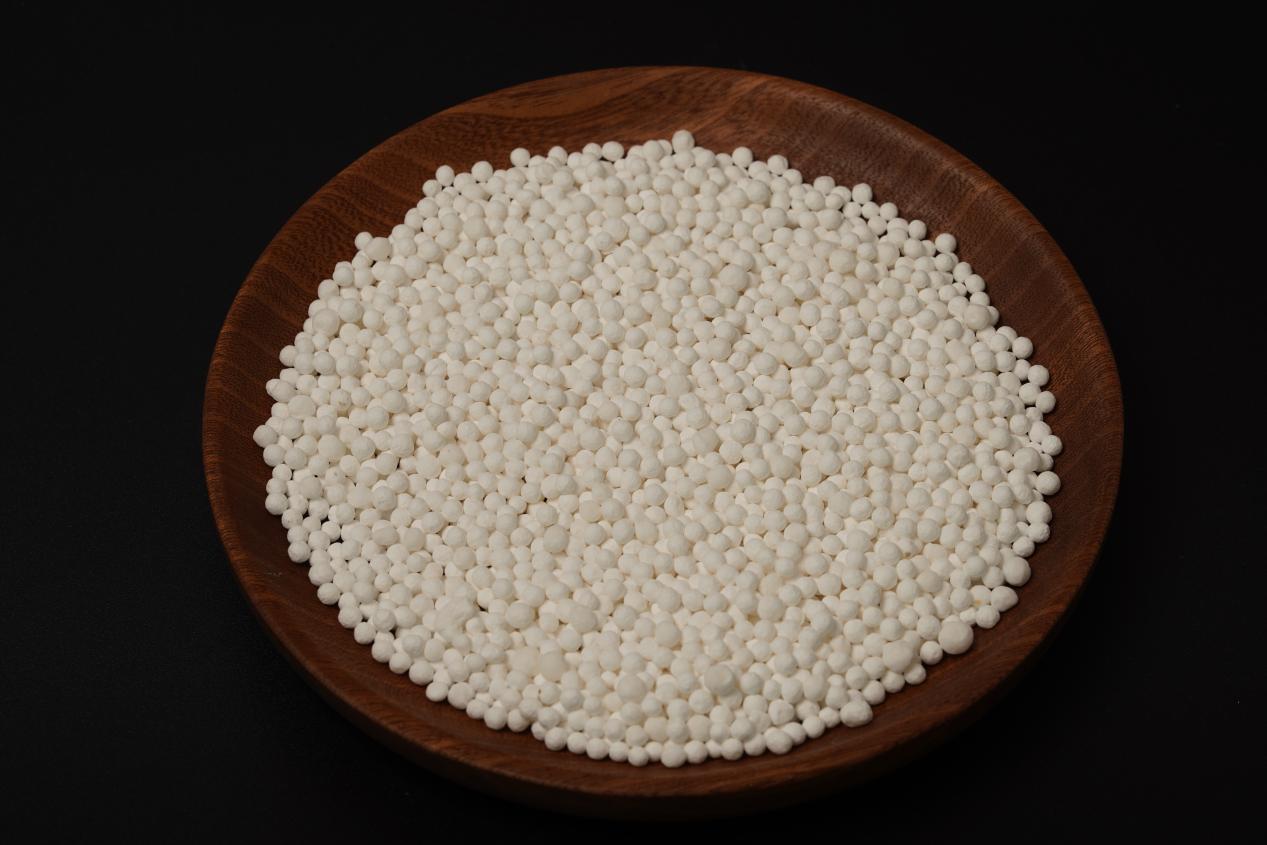
Commercial calcium chloride is available in several physical forms, with flakes, granules and powder being among the most common options. Each form has distinct handling characteristics that can influence dosing accuracy, dissolution behaviour, storage stability and operational efficiency. Flake calcium chloride is widely used in road de-icing and brine preparation because it is relatively convenient to handle and dispense. Granular products generally offer good flowability and can be suitable for controlled dosing and automated feeding systems. Depending on particle size and handling conditions, they may also help reduce dust generation compared with finer materials. Powdered calcium chloride can dissolve rapidly under appropriate conditions, but its finer particle size may increase airborne dust during handling and transfer. In addition, calcium chloride readily absorbs moisture from the surrounding environment, making moisture-resistant packaging and proper storage particularly important for maintaining product quality and limiting caking. When selecting a physical form, buyers should consider dissolution requirements, dosing equipment, workplace dust-control measures and storage conditions together, rather than assessing any single characteristic in isolation. The chosen product should also be compatible with the operating procedures and technical requirements of the intended application.
Calcium Chloride Applications Across Different Industries
Calcium chloride is used across a broad range of sectors, including road maintenance, oilfield operations and industrial processing. In winter road maintenance, its ability to lower the freezing point of aqueous solutions makes it useful for snow and ice control, while its moisture-attracting properties support dust suppression on unpaved surfaces. In the oil and gas industry, calcium chloride is used in the preparation of drilling and completion brines, where solution density and chemical composition must meet specific operational requirements. Other industrial applications include moisture control, selected coagulation processes and use as a processing additive. Despite this versatility, the specifications required can differ significantly between applications, depending on process design, local climate, equipment configuration and operating conditions. Deicing operations may require products suited to low-temperature conditions, whereas oilfield applications can place particular emphasis on calcium chloride specifications for oilfield brine and impurity control. Industrial manufacturing facilities, meanwhile, need to ensure that the selected physical form is compatible with their feeding systems and production processes. Buyers should therefore evaluate calcium chloride requirements in the context of their actual operating conditions to improve application performance and minimize avoidable operational risks.
Five Key Factors in Calcium Chloride Procurement
Before finalising a calcium chloride procurement plan, buyers should assess five key factors to ensure product suitability and minimise potential supply chain risks.
First, verify the active content and essential technical specifications. Confirm the calcium chloride concentration, permissible impurity levels and applicable testing standards. Nominal values alone may not provide a complete picture of product quality, as differences in analytical methods and industry standards can lead to variations in reported results. Establishing clear technical requirements in advance helps ensure that the selected material meets the needs of the intended application.
Second, review the relevant quality and compliance documentation. Request the Certificate of Analysis (COA), official product specification sheet and any applicable compliance certificates before placing an order. These documents provide an important reference for verifying product quality and establishing whether the delivered material conforms to the agreed specifications and regulatory requirements.
Third, confirm the physical form and packaging requirements. Choose flakes, granules or powder according to the application process, handling equipment and dosing requirements. Buyers should also specify packaging materials, bag sizes and moisture-protection measures to help preserve product quality during storage and transportation. Appropriate packaging is particularly important for calcium chloride because of its hygroscopic properties.
Fourth, evaluate the total landed cost rather than the quoted unit price alone. A comprehensive cost assessment should include the product price, packaging, freight, loading and unloading charges, and any applicable additional fees. For international purchases, buyers should also clarify the factors affecting the total landed cost of calcium chloride and determine which transportation, insurance and handling costs are included in the quotation. Comparing suppliers on a consistent cost basis provides a more reliable assessment of overall procurement value.
Fifth, assess supply reliability, delivery schedules and export logistics capabilities. Buyers should examine the supplier's production capacity, inventory availability, lead times and experience in handling international shipments. Particular attention should be paid to the consistency of delivery schedules and the supplier's ability to coordinate transportation and export documentation. A reliable supply arrangement can help reduce the risk of shipment delays, production interruptions and unexpected procurement costs.
How to Choose a Reliable Calcium Chloride Supplier
When assessing calcium chloride suppliers, buyers should prioritise demonstrable capabilities and verifiable evidence over broad marketing claims. One of the first considerations is whether the supplier can provide detailed product specifications and batch-specific quality documentation, including a Certificate of Analysis (COA) for each shipment. Buyers should also determine whether the supplier can offer technical guidance on selecting the appropriate grade and physical form based on the intended application and operating requirements.
Packaging is another important factor to evaluate. A reliable supplier should be able to recommend suitable packaging options that take account of transportation conditions, storage environments and moisture protection requirements. In addition, buyers should assess the supplier's export logistics capabilities, including delivery schedules, shipping arrangements and the coordination of relevant export documentation.
Claims such as “industry-leading quality” or “exceptional service” should be evaluated against objective evidence rather than accepted at face value. Transparent specifications, consistent quality records and clearly defined delivery arrangements provide a more reliable basis for assessing a supplier's ability to meet long-term procurement requirements.
Ultimately, selecting the right calcium chloride product starts with a clear understanding of your application requirements. Evaluate product specifications, physical form, quality documentation and total procurement costs before comparing suppliers. Rather than focusing solely on the lowest quoted price, prioritise product suitability, consistent quality and reliable delivery. To support your purchasing decisions, review our calcium chloride product specifications and identify the grade that best matches your operational needs.