
In March 2024, global chemical logistics faced multiple disruptions. On March 26, the “Francis Scott Key” Bridge in Baltimore, Maryland, collapsed after being struck by a container ship, restricting the movement of some vessels in and out of the Port of Baltimore. At the same time, the Red Sea crisis persisted, forcing container ships to take a detour around the Cape of Good Hope. March and April are traditionally the peak period for annual trans-Pacific shipping contract negotiations. and leading shipping companies such as Maersk, CMA CGM, and Hapag-Lloyd issued rate increase notices between late March and early April, with some routes seeing price hikes of nearly 70 percent. For U.S. companies sourcing salt chemical products such as soda ash, caustic soda flakes, sodium bicarbonate, and calcium chloride from overseas, understanding logistics risks and formulating reasonable procurement strategies are key to avoiding supply disruptions and increasing landed costs.
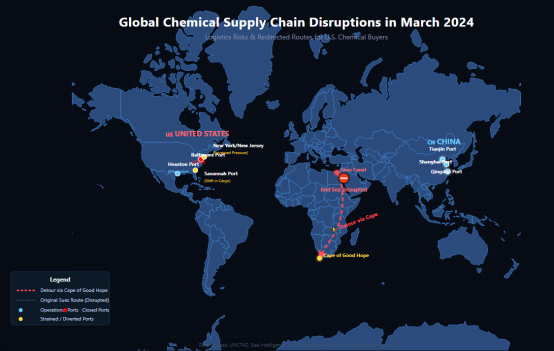
Figure 1. Global Chemical Supply Chain Disruptions in March 2024
Baltimore Bridge Collapse Creates Disruptions for East Coast Logistics
In the early hours of March 26, 2024, the Singapore-flagged container ship “Dali” lost power while departing from the Port of Baltimore and struck a support pillar of the Francis Scott Key Bridge, causing the bridge to collapse. The collapsed steel girders blocked the Patapsco River channel, prompting the Port of Baltimore to temporarily restrict the entry and exit of some vessels.
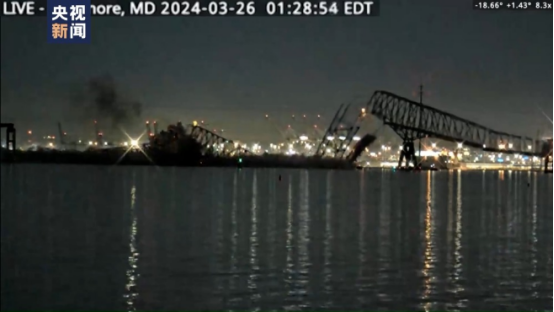
Figure 2. Francis Scott Key Bridge Collapse in Baltimore
Following the closure of the Port of Baltimore, some cargo was diverted to the Ports of New York and New Jersey and the Port of Savannah. These two ports are already operating near full capacity under normal conditions. The additional cargo volume may lead to delays in container unloading, shortages of chassis equipment, and longer wait times for inland transshipment.For companies that rely on East Coast ports to import salt chemical products, shipments arriving between April and May 2024 may experience an additional 5 to 7 days before containers become available for pickup.
In addition, following the bridge collapse, approximately 4,900 trucks per day must reroute, and the increased detour distance has led to higher fuel costs and longer transit times per trip. In the short term, inland freight rates from the Midwest to the East Coast may rise, which could affect the final delivery costs of chemical products, including salt chemical products.
Key Metrics for Buyers to Consider
• Are vessel wait times at the Ports of New York/New Jersey and the Port of Savannah continuing to rise?
• Availability rates for truck chassis at major East Coast ports
• Trends in inland freight rates from Houston to the Midwest and from Savannah to the Southeast
The Red Sea Crisis and Global Freight Uncertainty
According to UNCTAD estimates, the Red Sea accounts for approximately 15% of global maritime trade, including nearly 30% of container shipments. Since late 2023, attacks by Houthi militants on commercial vessels in the Red Sea have forced major shipping companies to suspend routes through the Red Sea, forcing container vessels to reroute around the Cape of Good Hope.
The Red Sea shipping crisis will continue to impact global shipping. On the one hand, the global container turnover rate has declined, and detours have extended vessels’ round-trip times, resulting in longer lead times for the same number of containers to complete a round-trip cycle. This means there are fewer empty containers available globally, making it more difficult to book space; shipping lines may prioritize meeting the space requirements of major customers; and rising container transshipment costs may be partially passed on to shippers.On the other hand, capacity is being diverted from Pacific routes to other routes; some shipping companies may pull vessels from the Pacific routes to fill the capacity gap on the Asia-Europe routes.
2024 Trends in Ocean Freight Rates and Forecast for Procurement Costs
March through April each year is the peak negotiation period for long-term contracts on the “U.S. route.” From late March to early April 2024, major shipping lines successively issued notices of rate increases:
Table 1. Major Shipping Line Rate Increases on U.S. Trade Routes in April 2024
Overall, the expected increase in 2024 long-term charter rates compared to 2023 rates is between 15% and 30%, depending on the route, cargo volume, and customer credit terms.
Taking bulk commodities such as industrial salt and soda ash as examples, freight costs can account for 15%–30% of the goods’ value—significantly higher than for high-value-added products. When freight costs rise by 20%, the landed cost of the products will increase by 3%–6%.
How Do Logistics Risks Affect Salt Chemical Products?
Different types of salt chemical products vary significantly in their sensitivity to logistics risks. Buyers need to develop targeted procurement strategies based on the specific characteristics of their needs.
Caustic Soda Flakes
Key Risk: High hygroscopicity. Drastic fluctuations in temperature and humidity inside shipping containers during ocean transport cause condensation to form inside the packaging, which can easily lead to severe caking. Delays in shipping schedules prolong the duration of exposure at sea, further increasing the risk of caking.
Recommended Actions:
• Require suppliers to provide packaging solutions that include aluminum foillaminated bags or thickened moisture-proof inner liners.
• Clearly specify in the contract the acceptance criteria for NaOH content, Na₂CO₃ content, and moisture content as determined by COA testing.
• Establish procedures for third-party spot checks upon delivery and a dispute resolution mechanism.
Soda Ash and Industrial Salt
Key Risk: Soda ash and industrial salt are bulk commodities typically transported in ton bags or in bulk. These products are characterized by low value and high transportation costs as a percentage of total cost, making them highly sensitive to fluctuations in freight rates.
Recommendations: Carefully select between FOB and CIF terms. During periods of rising freight rates, CIF terms transfer the freight risk to the supplier (or require the supplier to procure the freight), while the buyer secures a fixed landed price. However, quotes typically include a risk premium; if freight rates are judged to be nearing a peak, FOB offers greater cost flexibility.
Calcium Chloride and Sodium Bicarbonate
Key Risks: Calcium chloride is also hygroscopic; packaging protection standards should be based on those for caustic soda flakes. Sodium bicarbonate has a relatively high tolerance for humidity but is sensitive to impurity contamination; damaged packaging is the primary risk.
Recommendations:
• Packaging standards are the same as for caustic soda flakes;
• Require suppliers to provide batch retention samples and full-process quality traceability support to enable rapid traceability in the event of a quality dispute.
How Should Buyers Cope with Current Logistics Fluctuations?
Given the logistics environment in March 2024, purchasers of salt chemical products should extend their procurement lead times. Delivery times to West Coast ports have increased by 7 to 10 days compared to the original schedule, while delivery times to East Coast ports—compounded by the regional ripple effects of the Baltimore Port incident—have increased by 10 to 14 days compared to the original schedule;Accordingly, buyers should place orders 2–3 weeks earlier than usual to secure vessel space and maintain stable delivery schedules; for products with high annual consumption volumes, lock in 30% to 50% of long-term contract freight rates before further price increases occur.